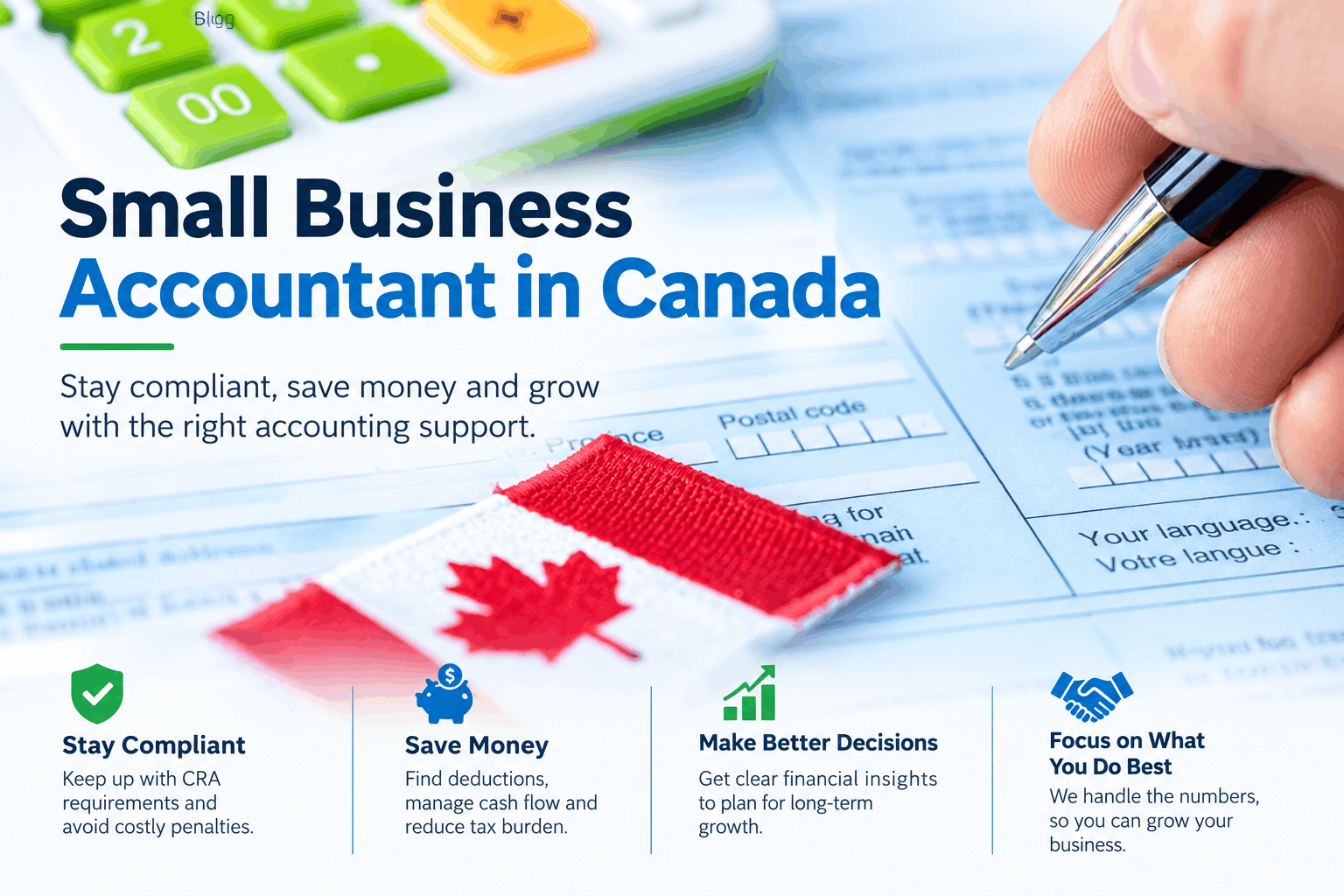
No law forces a Canadian small business to hire an accountant. The Canada Revenue Agency (CRA) requires accurate books, timely filings, and records that are generally kept for six years. How you meet those requirements is up to you.
For some owners, that means handling the numbers themselves with accounting software. For others, professional help becomes worthwhile as tax rules, payroll, GST/HST, and business decisions become more complicated.
Whether you need an accountant depends on your business structure, revenue, financial complexity, and how much time you want to spend managing the numbers yourself.
Do You Need an Accountant for a Small Business in Canada?
As an owner of a small business, you don’t have to hire a small business accountant in Canada, but certain situations can make professional accounting support much more valuable.
A sole proprietor with modest income and straightforward finances may be able to manage their own records and file their taxes. Once you incorporate, hire employees, register for GST/HST, or start dealing with more complex transactions, the accounting workload can change significantly.
What Changes When Your Business Gets More Complex?
A sole proprietor can generally report business income and expenses through their personal tax return using Form T2125. An incorporated business has additional responsibilities, including filing a T2 corporate income tax return within six months of its fiscal year-end.
Employees also introduce payroll deductions and remittance requirements. GST/HST registration adds another layer of recordkeeping and filing. Shareholder loans, dividends, business assets, and tax planning can create additional complications for incorporated businesses.
At that point, the question is less about whether the law requires you to hire an accountant for a small business in Canada and more about whether you can manage the work accurately and efficiently yourself.
What Does a Small Business Accountant in Canada Do?
A small business accountant helps turn your financial records into information you can actually use. Their work can range from reviewing your books and preparing tax returns to helping you plan for taxes, understand your financial position, and make business decisions.
The exact services depend on the business. A freelancer with a few clients may only need occasional tax and small business accounting in Canada, while an incorporated company with employees may need ongoing assistance throughout the year.
What Accounting Services Do Small Businesses Need?
Accounting needs vary from one business to another. Common services include:
- Monthly or quarterly bookkeeping
- GST/HST, PST, and payroll filings
- Year-end financial statements
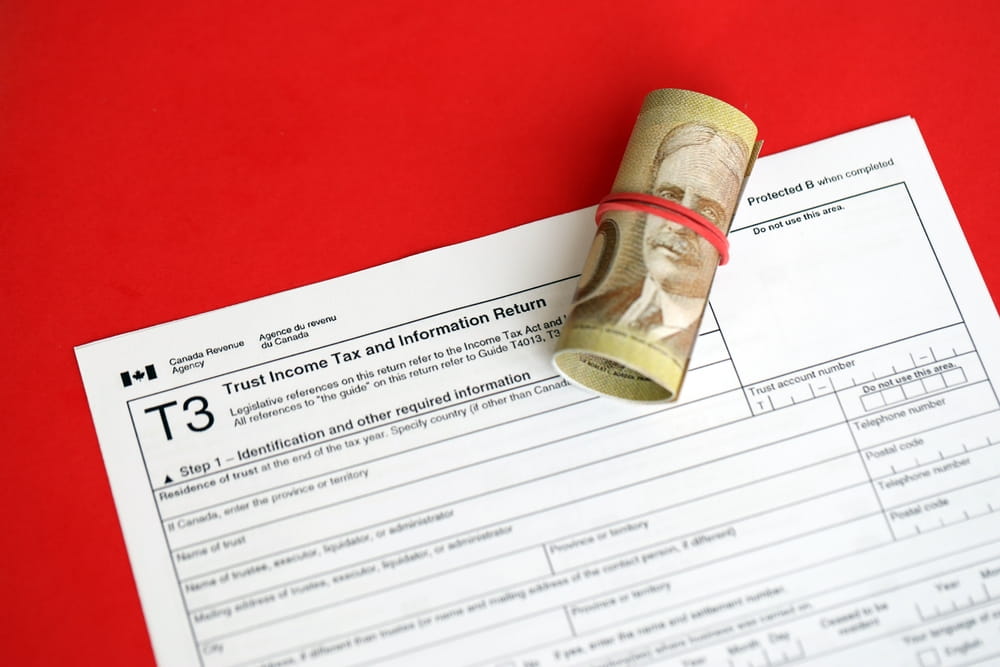
- Corporate and personal tax returns
- Tax planning and incorporation advice
- CRA audit and reassessment support
You do not necessarily need every service. A small business with simple finances may only need annual tax preparation and occasional advice, while a growing company may benefit from ongoing bookkeeping and tax planning.
What Are the Benefits of Hiring an Accountant for a Small Business?
The strongest benefits of hiring an accountant for a small business are time savings, accuracy, and better financial planning. Instead of spending hours every month sorting transactions and trying to understand tax requirements, you can hand some or all of that work to a professional. An accountant can also help identify tax planning opportunities and keep your filings organized around important deadlines.
Clean financial statements can also make conversations with lenders, investors, and other financial partners easier because they provide a clearer picture of how the business is performing.
When Is It Time to Bring in an Accountant?
Consider professional help when the bookkeeping of your small business in Canada starts taking significant time away from running the business or your financial situation becomes harder to manage.
Common triggers include:
- Incorporating your business
- Hiring employees
- Registering for GST/HST
- Adding multiple revenue streams
- Buying significant business assets
- Expanding the business
- Receiving correspondence from the CRA
- Preparing for a major financial decision
You do not necessarily have to hand over everything. Some owners keep their day-to-day bookkeeping in-house and use an accountant for tax returns, reviews, and planning.
How Much Does a Small Business Accountant Cost in Canada?
The cost of hiring accounting services for small businesses in Canada varies based on the business structure, location, number of transactions, services required, and complexity of the work.
Monthly bookkeeping can range from a few hundred dollars to more than $800, while corporate tax returns can often cost between $1,000 and $3,000. Sole proprietor tax filings may cost less, particularly when the business has simple finances.
The best approach is to ask for a clear quote based on the services your business actually needs. A freelancer with straightforward finances may not need the same level of support as an incorporated business with employees, payroll, and multiple accounts.
What Should You Look for in a Small Business Accountant?
Look for a CPA designation, experience working with businesses similar to yours, transparent pricing, and clear communication. Ask what services are included in their fees and how they handle communication throughout the year. It is also worth finding out how quickly they respond around tax deadlines and whether they provide proactive tax and financial advice or mainly handle compliance work.
The right level of accounting support can change as your business grows. You may start with annual tax preparation, then add bookkeeping, payroll, or ongoing tax planning as your needs develop.
The Bottom Line
Canadian law does not require every small business owner to hire a tax accountant for a small business in Canada. The more useful question is whether professional support makes sense for your business structure, workload, and financial complexity.
A simple sole proprietorship may be manageable with accounting software and occasional professional advice. An incorporated or growing business may benefit from more regular support with bookkeeping, tax planning, payroll, and financial reporting.
If you want help from a team that works with small business owners in Canada, Pitre James Business & Tax is based in Kelowna and can review your books, tax position, and growth plans. Reach out to Pitre James Business & Tax to find out which level of support fits your business.
