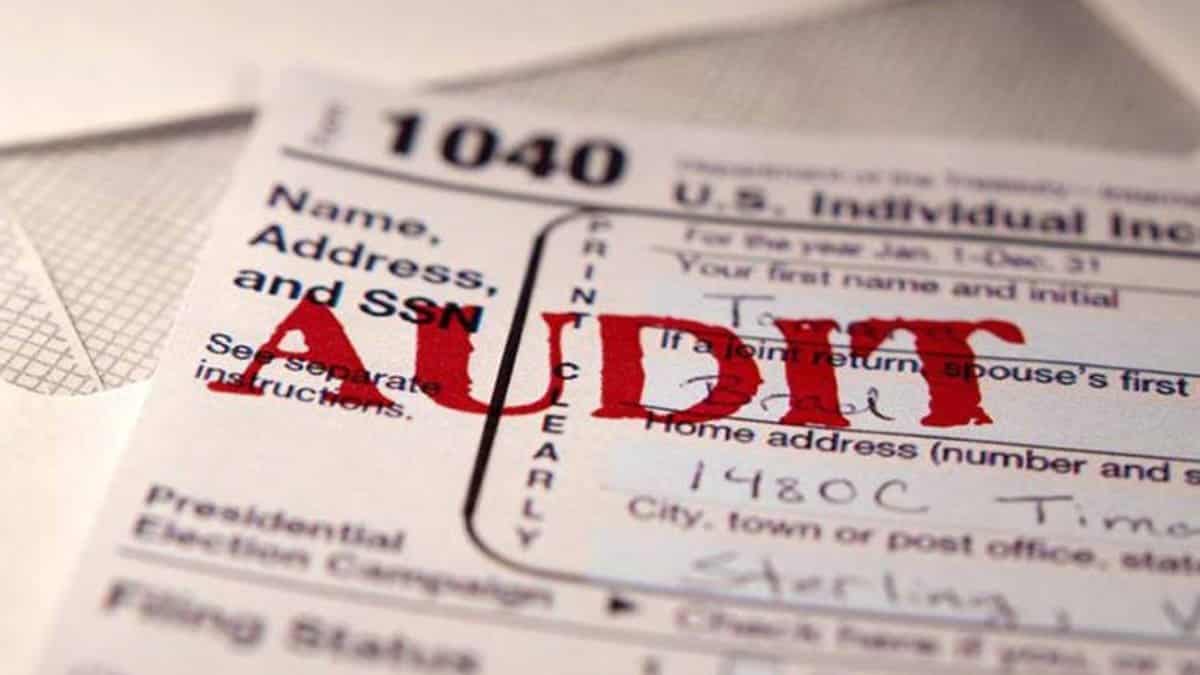
An audit letter from the Canada Revenue Agency can rattle even a well-run business. That’s where audit protection services come in, helping you respond with confidence instead of scrambling for answers.
But most audits aren’t random, and most are survivable with the right preparation.
This guide breaks down why corporations get flagged, what strong CRA audit protection actually looks like, and how to keep your business ready year-round.
Why Do Canadian Corporations Get Audited by the CRA?
The CRA doesn’t audit every corporation. It targets patterns. Large swings in reported income, inconsistent filings across years, industries with known cash-heavy transactions, and mismatches between GST/HST filings and corporate tax returns all raise flags.
Random selection plays a role too, but most audits trace back to a red flag in the data. Late filings, repeated errors, or claims that fall outside industry norms can also trigger a closer look. The CRA’s system compares your numbers against similar businesses.
If your expense ratios or deductions look unusual for your sector, expect questions.
Building Strong Corporate Tax Compliance Habits
Corporate tax compliance isn’t a once-a-year task. It’s a habit built into how your business operates. Corporations with consistent, accurate filings rarely become audit targets, because there’s nothing in the data that stands out.
Strong compliance habits include:
- Filing on time
- Reconciling books monthly
- Separating business and personal expenses
- Tracking deductions with support
When compliance is treated as ongoing maintenance rather than a year-end scramble, audit risk drops naturally.
Tax Audit Preparation: Steps to Take Before the CRA Calls
Tax audit preparation works best before you ever receive a letter. Waiting until an audit notice arrives means scrambling to reconstruct records under pressure.
Start by organizing your last three to six years of filings. The CRA can typically go back three years from the date of assessment, longer if it suspects misrepresentation. Keep supporting documents for every return you file, not just the return itself.
It also helps to run an internal review before the CRA does. Look at your numbers the way an auditor would. Spot the anomalies yourself, and you can explain them with context instead of scrambling for an answer later.
The Role of Financial Records Review in Audit Protection
A financial records review is one of the most effective forms of audit protection available to any corporation. This means going through bank statements, invoices, payroll records, and expense claims to confirm everything ties back to your filed returns.
Discrepancies between what’s recorded and what’s reported are one of the fastest ways to invite CRA scrutiny. A regular internal review, ideally quarterly, catches these gaps before they become bigger problems. It also gives your accountant a clean starting point if an audit does happen.
Keeping Tax Documentation Organized and Audit-Ready
Good tax documentation is the backbone of any audit defense. The CRA can request receipts, contracts, bank statements, and correspondence going back several years. If those records are scattered across email threads, filing cabinets, and old hard drives, an audit becomes far more stressful than it needs to be.
Set up a system now. Digital folders organized by year and category work well. Cloud storage with backup adds another layer of protection.
The goal is simple: if the CRA asks for something, you should be able to produce it within days, not weeks.
Getting Your Corporate Tax Returns Right the First Time
Errors on corporate tax returns are one of the most common audit triggers. A missed schedule, a miscalculated deduction, or an inconsistency between your T2 and your financial statements can all prompt a second look from the CRA.
Working with a qualified accountant to prepare and review returns before filing catches most of these issues early. It’s far easier to fix an error before submission than to explain it after an audit has already started.
Understanding Tax Reporting Requirements for Canadian Businesses
Tax reporting requirements shift depending on your corporation’s size, industry, and structure. Payroll remittances, GST/HST filings, T4s, and T2 returns all have their own deadlines and rules. Missing or misunderstanding any of these requirements creates gaps that CRA systems are built to catch.
Audit-Proofing Starts Long Before the CRA Notices
Staying current on reporting requirements means reviewing them annually, since rules and thresholds do change. A corporation that treats reporting as a compliance checklist, rather than an afterthought, is far less likely to end up on the CRA’s radar.
Staying ahead of a CRA audit protection isn’t about luck. It’s about treating compliance, documentation, and reporting as ongoing priorities rather than year-end scrambles.
If you’d rather not manage this alone, working with a firm like Pitre James Business & Tax can take the guesswork out of the process. Our audit protection services help do a lot, from keeping your filings clean to standing beside you if the CRA does come calling.
